

A stalemate may sideline Kurds in the Middle East’s next political reshaping
By Wirya Hama-Tahir Kurdyar
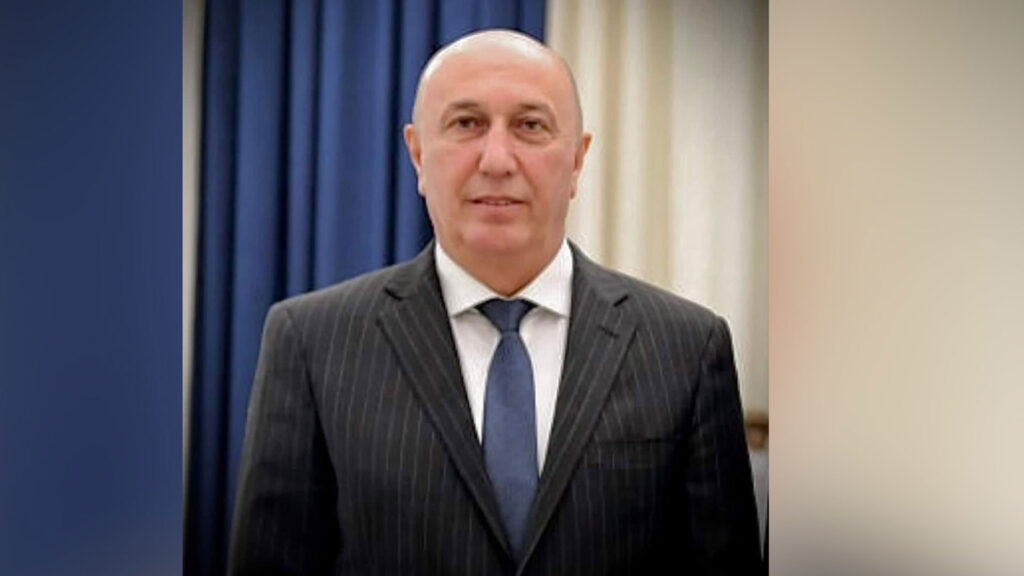
While Kurdish people and political parties across all parts of Kurdistan have recently come together in support of Rojava, divisions between the two main Kurdish parties in South Kurdistan over the Iraqi presidency have deepened.
In recent days, when the Iraqi parliament convened to elect a new president, the two rival Kurdish parties agreed to request a postponement of the session until they could reach a consensus on a joint candidate. So far, however, both sides continue to insist that the position should belong to them.
The Patriotic Union of Kurdistan (PUK) argues that since the fall of Saddam Hussein and the formation of the new Iraqi political system, the Iraqi presidency has traditionally been held by the PUK, while the presidency of the Kurdistan Region has remained with the Kurdistan Democratic Party (KDP). The KDP, on the other hand, maintains that it is the largest Kurdish party—not only in the Kurdistan Region but in all of Iraq—and therefore has the right to decide who should represent the Kurds in Iraq’s highest office.
This division raises broader questions about the Kurdish issue in a rapidly changing Middle East. Many analysts argue that, for the first time since the end of World War I, the region is undergoing a significant political and geographical transformation. In this context, some critics say the Kurds are once again unprepared, focusing instead on a largely symbolic position within what they describe as a fragile Iraqi state—one that could itself face major changes in any future regional reshaping.
According to recent Kurdish media reports, the KDP has offered the PUK all other positions allocated to Kurds in the Iraqi government and parliament in exchange for relinquishing its claim to the presidency. The PUK has reportedly rejected this proposal. At the same time, the PUK fears that in a parliamentary vote, the KDP’s candidate could prevail if the Shiite majority backs the KDP nominee.
The dispute is also linked to internal power-sharing negotiations within the Kurdistan Regional Government (KRG) in Erbil. The PUK is demanding not only control of key ministries—such as the Interior Ministry and the Department of Foreign Relations—but also a meaningful share of executive power. It has criticized the KDP, and particularly Prime Minister Masrour Barzani, for sidelining PUK ministers by appointing special advisers who effectively control those portfolios.
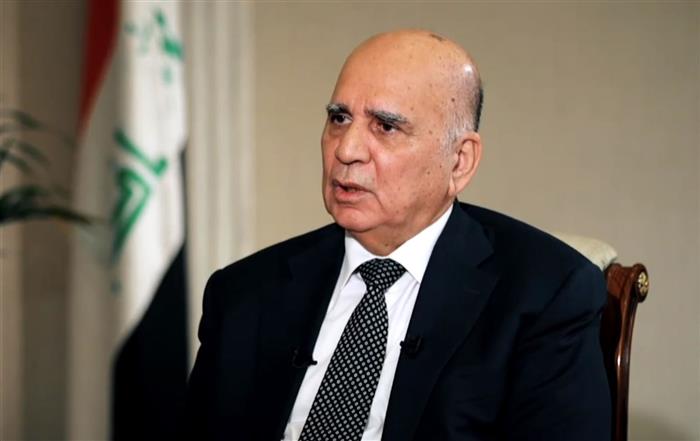
In a recent political move, the PUK formed a new parliamentary bloc with the largest opposition group, the New Generation Movement. This alliance has brought the PUK-led bloc close to the KDP in parliamentary strength—38 seats versus the KDP’s 39. Nevertheless, neither side holds an absolute majority.
At the core of the dispute is a fundamental disagreement over how political positions should be distributed. The KDP insists that power-sharing should be based strictly on electoral results, while the PUK favours the consensus-based arrangement that has prevailed since the Kurdish civil war of the 1990s, when the region was effectively divided between the two parties.
The PUK is reluctant to accept its decline in popular support compared with the 1990s. At the same time, without a unified Peshmerga force and integrated security institutions, a shift from consensus politics to strict electoral competition could carry the risk of renewed tensions. Although all parties publicly reject the possibility of armed conflict, the ongoing stalemate weakens the Kurdish position in the broader Middle Eastern political landscape and risks sidelining them once again as regional and international powers reshape the region.